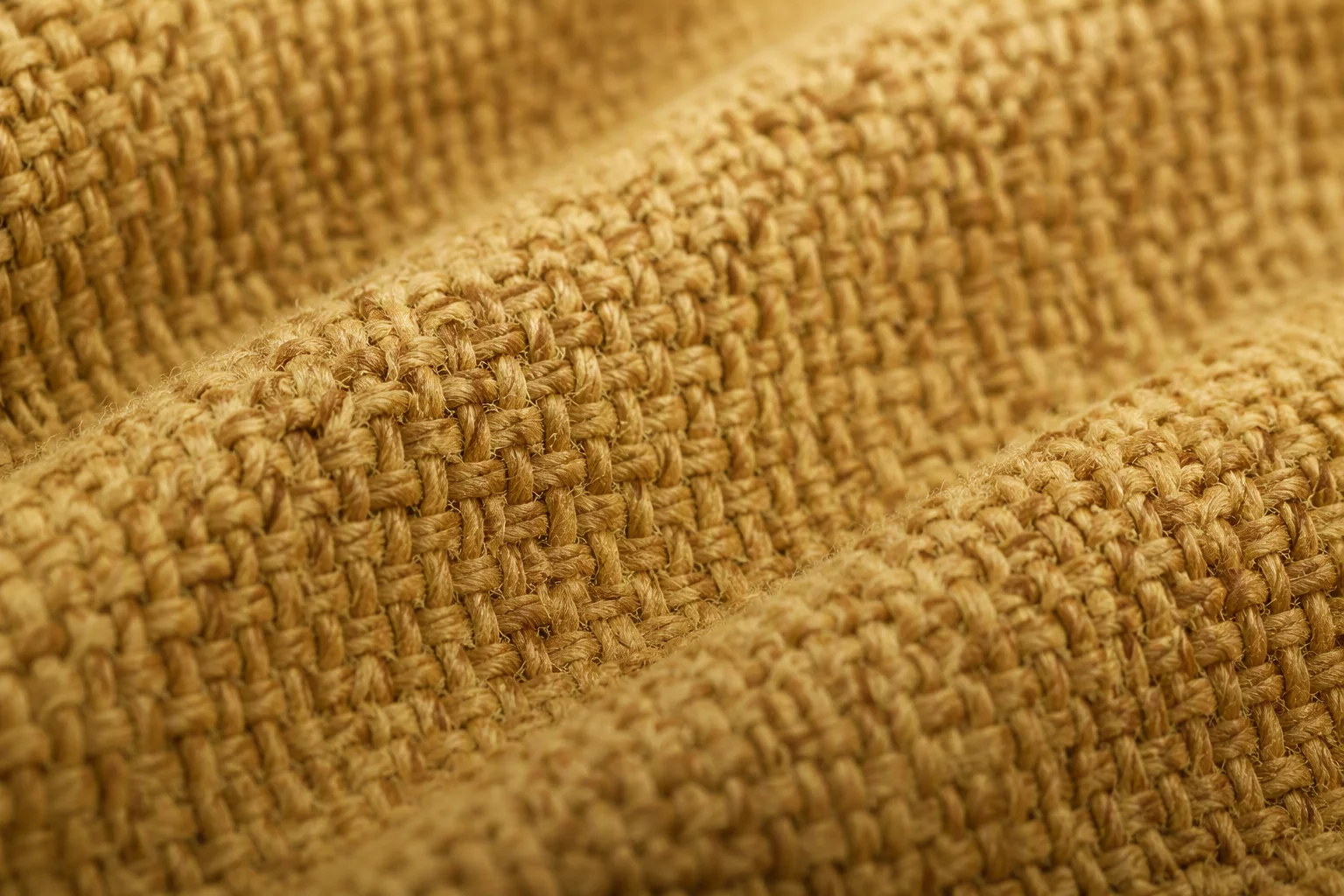
Canvas stands out as the ultimate apron material because it seamlessly blends indestructible heavy-duty durability, superior heat protection, and natural breathability. Whether facing open flames at the grill station, bustling prep lines in commercial kitchens, or messy weekend baking projects at home, high-density cotton canvas withstands punishing daily abuse while maintaining structural elegance and comfort over years of continuous use.
The Anatomy of Canvas: Unrivaled Structural Strength
The secret behind the longevity of canvas lies in its plain-weave construction. Unlike standard synthetic blends or delicate linen, canvas uses tightly twisted, dense cotton yarn woven in a crisscross pattern. This rigid weave prevents fibers from unraveling when snagged by knife tips, steel corners, or rough wooden counters. Heavy-gauge canvas—typically ranging from 10 oz to 16 oz per square yard—forms an impenetrable barrier against coarse friction, keeping your underlying clothing pristine throughout demanding shifts.
Thermal Protection and Liquid Resistance
Kitchen safety begins with protective clothing capable of handling thermal hazards. When hot frying oil splatters or boiling sauces splash, synthetic materials like polyester can melt against bare skin. Pure cotton canvas and waxed canvas absorb thermal shocks, acting as a thick thermal shield between dangerous heat sources and your body. The natural weight of the fabric slows down liquid penetration, buying you vital seconds to wipe spills away before they soak through.
"A well-constructed canvas apron is not just an accessory; it is an essential piece of culinary armor that softens with every wash while remaining practically indestructible."
Core Advantages of Canvas Over Other Textiles
When evaluating apron textiles across kitchen, workshop, and coffee bar environments, canvas consistently outranks alternative materials in practical performance metrics:
- High Tensile Strength: Resists heavy tearing, abrasions, and seam strain caused by carrying weighted culinary tools and towels.
- Natural Airflow and Breathability: Pure cotton fibers allow body moisture to evaporate freely, keeping chefs cool during intense rush hours.
- Reinforced Pocket Integrity: Canvas provides a rigid base for utility pockets, preventing sagging under the weight of thermometers, timers, and sharp shears.
- Patina and Long-Term Aging: Rather than thinning out, canvas develops a distinguished soft patina that molds comfortably to your body shape.
Essential Care Guidelines for Canvas Aprons
Maintaining the premium condition of your heavy-duty canvas gear requires simple yet disciplined washing routines to ensure longevity and color preservation:
- Pre-treat localized grease and protein stains with cold water and mild dish soap using a soft bristle brush.
- Machine wash in cold water on a gentle cycle to prevent premature shrinkage and protect metallic brass hardware.
- Hang dry naturally away from direct high heat to preserve fiber density and prevent unwanted fabric stiffness.
Investing in a premium heavy-duty canvas apron means choosing reliable protection that stands the test of time. From seasoned executive chefs running demanding kitchen stations to enthusiastic backyard grill masters, canvas proves every day why it remains the gold standard in professional culinary textiles.
Community Discussion
Verified Reviews & TipsAnna B.
Verified ChefCanvas really is indestructible in the kitchen.
Pete W.
Culinary StudentGood read, converting to canvas now.
Leave a Thought or Review